

Co-funded by the EU DUF Logotype Erasmus+ Logo
CGSS Project Logo SURCOD Logo RETZ Logo Soholm 4H Logo Las Ninas del Tul Logo

Final Report: SURCOD Malawi Participation

Co-Creating Green Safe Spaces (CGSS) - Capacity Building in the Field of Youth
"Safe Spaces, Strong Voices"

Venue: Stephen Margolis Resort Center, Zimbabwe | Dates: 24-30 September 2026

Malawi Flag Zimbabwe Flag Denmark Flag Spain Flag

Project Background and Context

The Co-Creating Green Safe Spaces (CGSS) project unites four youth organizations from Denmark, Spain, Malawi, and Zimbabwe in a strong Europe-Africa partnership. Funded under the Erasmus+ Capacity Building in the Field of Youth programme, CGSS empowers young people through non-formal education (NFE), sustainability, and social inclusion.

The project addresses two key challenges faced by young people in rural and marginalized communities:

  • The need for life skills in sustainability and inclusion: Youth require practical tools to tackle social and environmental challenges while shaping more resilient communities.
  • Limited access to youth-friendly, inclusive spaces: Many young people, especially those facing discrimination or socio-economic barriers, lack opportunities to participate in community life.

What makes CGSS unique is its equal and reciprocal Europe-Africa collaboration. The project is not about transferring knowledge from one region to another, but about mutual learning, co-creation, and shared leadership. By integrating NFE with sustainability and social inclusion, CGSS empowers youth to take ownership of spaces, ideas, and community initiatives, leaving a lasting impact.
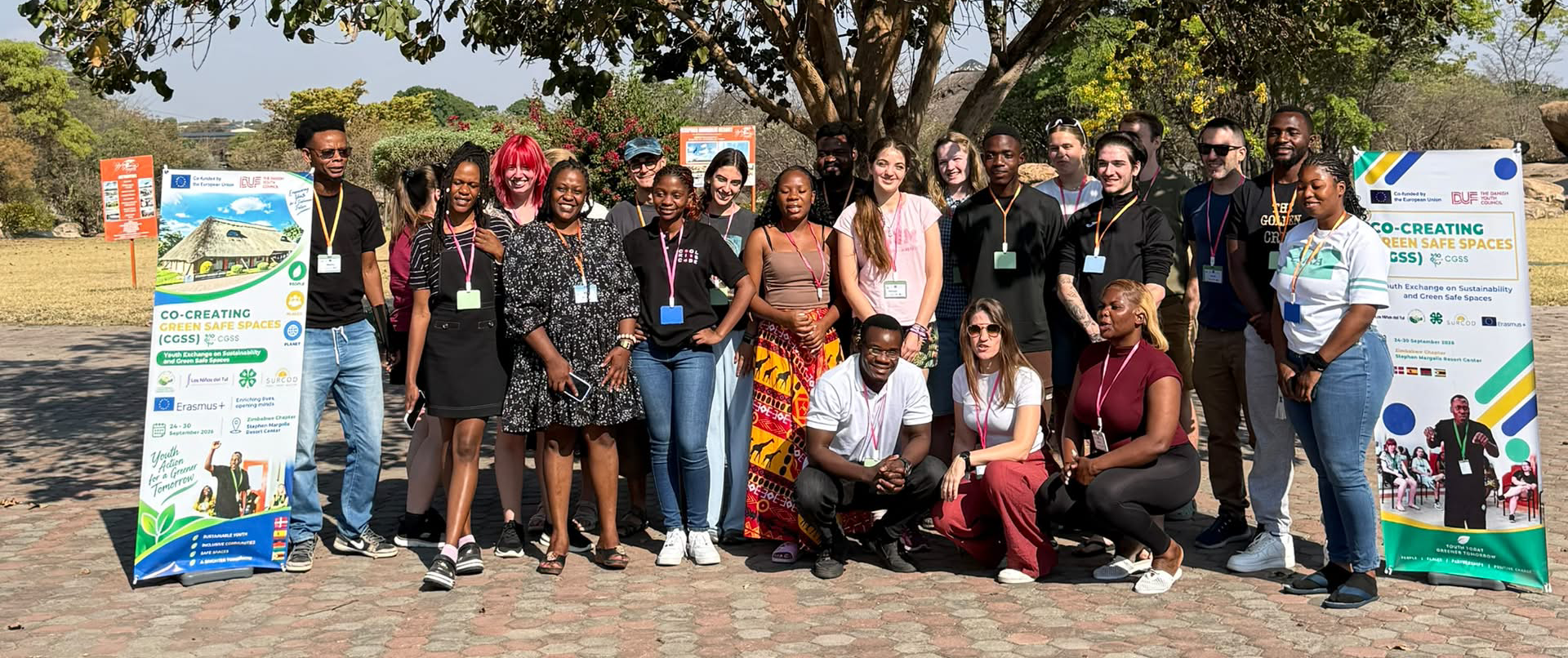
Participants on Day 1
Participants on Day 1, kicking off the youth exchange in Zimbabwe.

The SURCOD Malawi Delegation

Representing the Sustainable Rural Community Development Organisation (SURCOD), seven dedicated young leaders traveled to Zimbabwe to share experiences from Malawi, learn from diverse cultural realities, and co-create strategies for green safe spaces and youth advocacy.

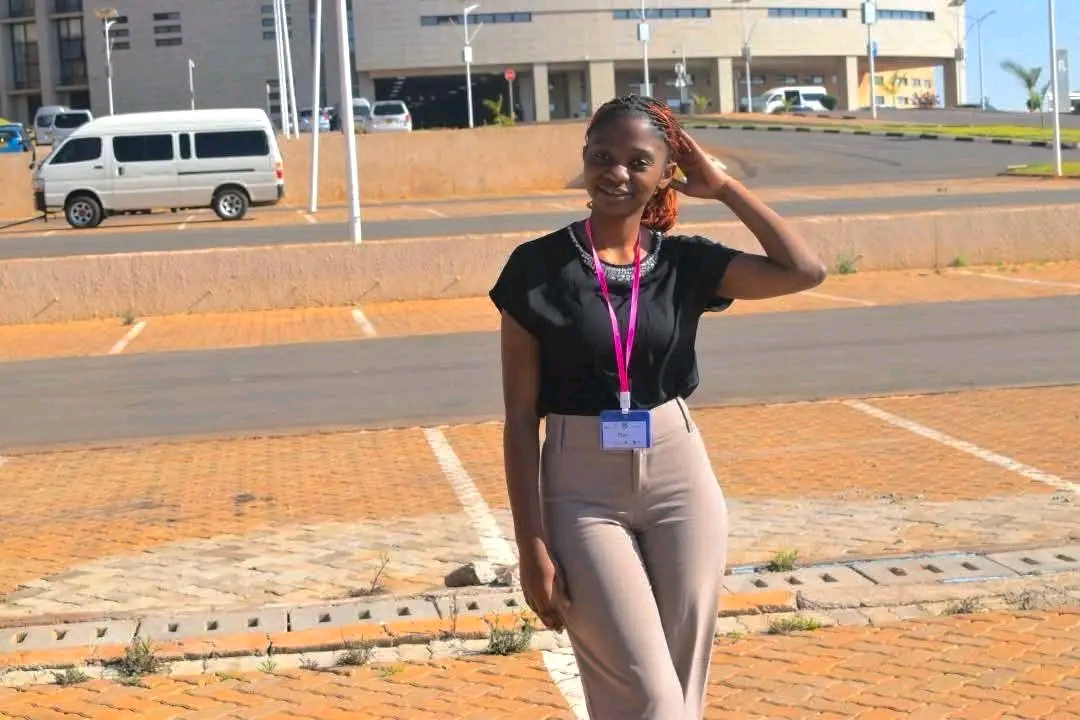
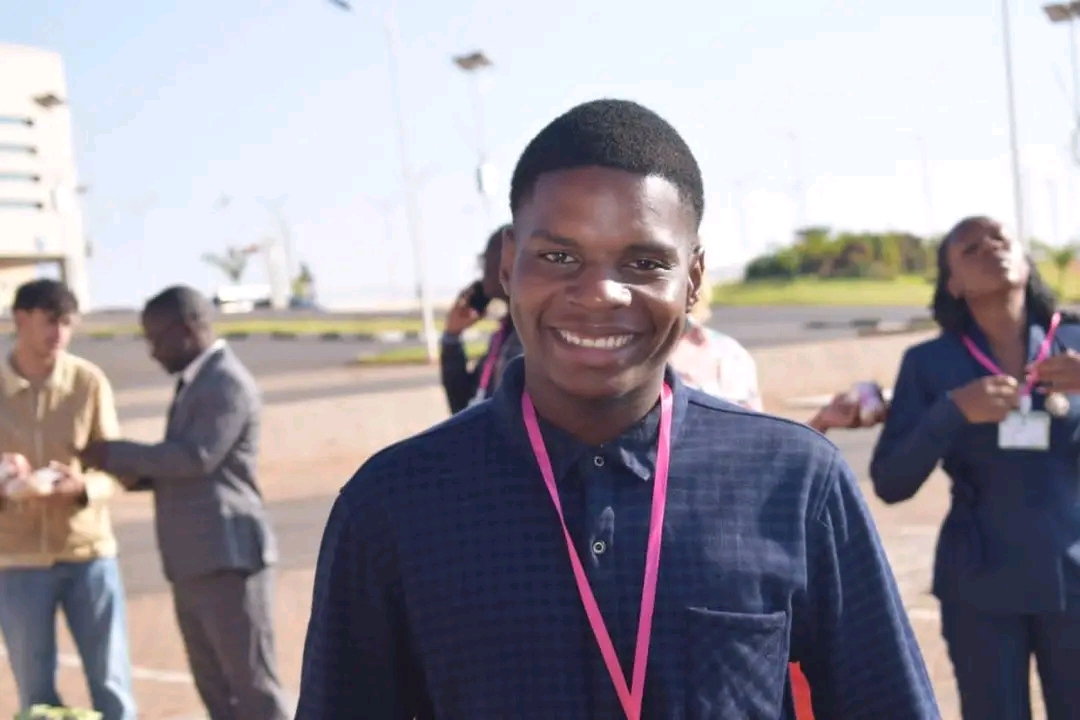
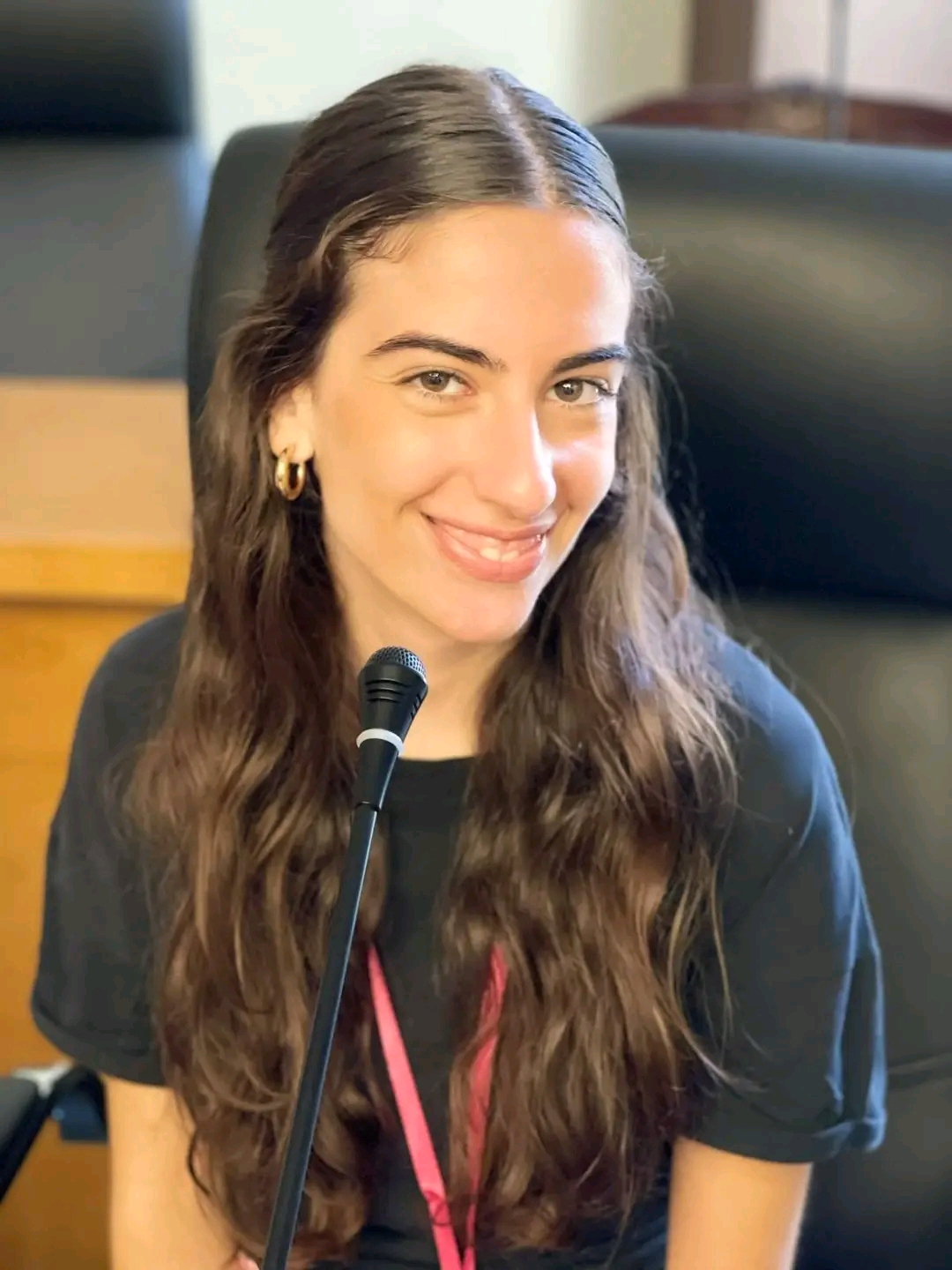
Daphne Esther Gondwe
Clifton Robert Nyangulu
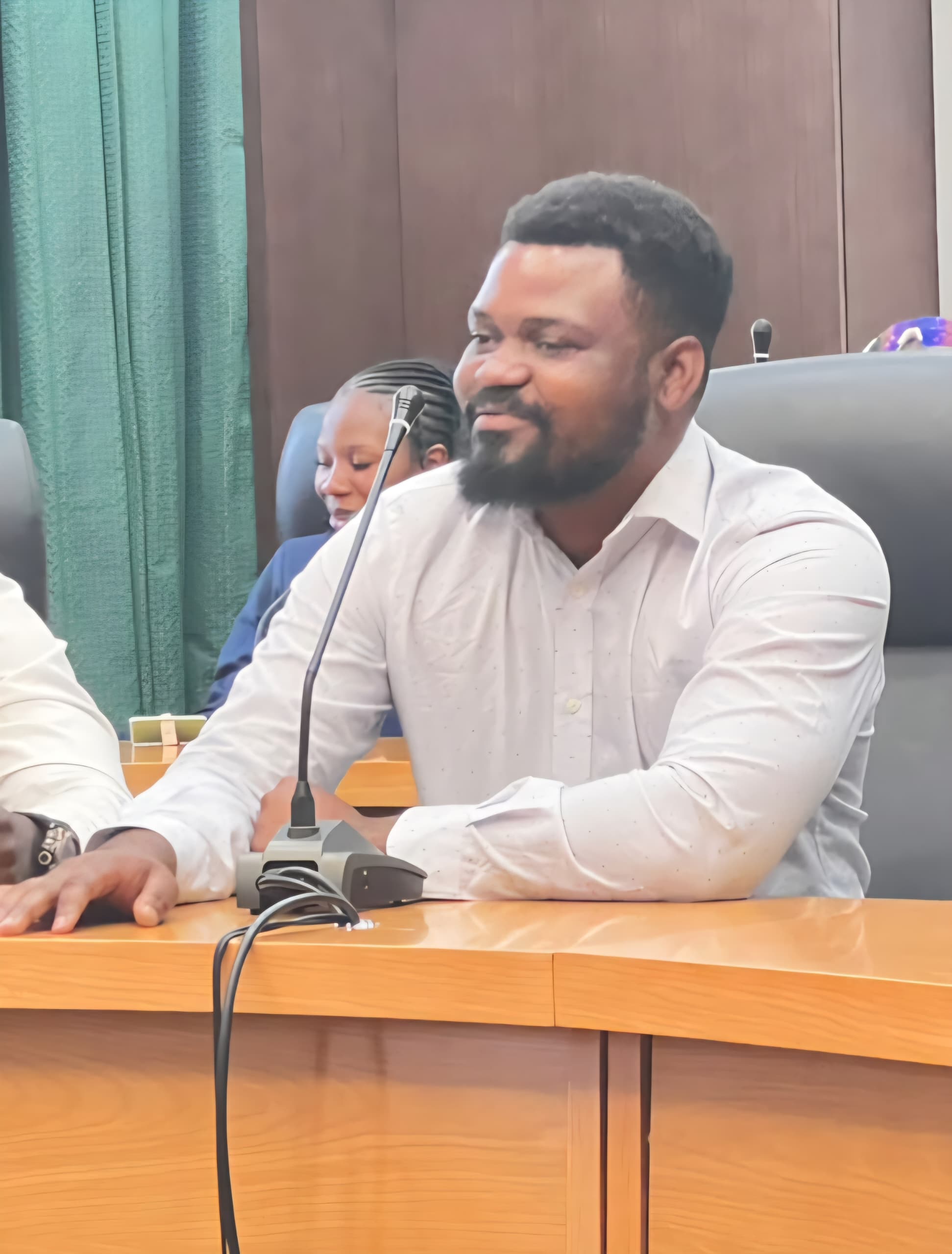
Chisomo Bob Mvula
Chisomo Bob Mvula
Ellen Chimwemwe Mavuka
Benjamin Foster Alubano
Allan Chimbelenga
Allan Chimbelenga
Edith Fiera Mvula
Edith Fiera Mvula

Seven Days, Multiple Countries, One Shared Vision

Day 1: Building Connections and Finding Common Ground

Day 1 focused on connection, shared values, and the purpose of the partnership. RETZ Vice Board Chairperson Fadzayi Caroline Mupembe warmly welcomed participants to Zimbabwe. With Youth Coordinator Tatenda T Madziro, participants explored safeguarding, inclusion, and well-being, ensuring an environment where everyone feels safe and respected.

Participatory exercises helped the group explore freedom, responsibility, and shared values. Through a "Tree Exercise," participants connected these values to their expectations and learning goals. The question "Who participates, and who gets left behind?" deepened the discussion, examining barriers to involvement. Partner introductions and team-building activities encouraged communication and shared leadership.

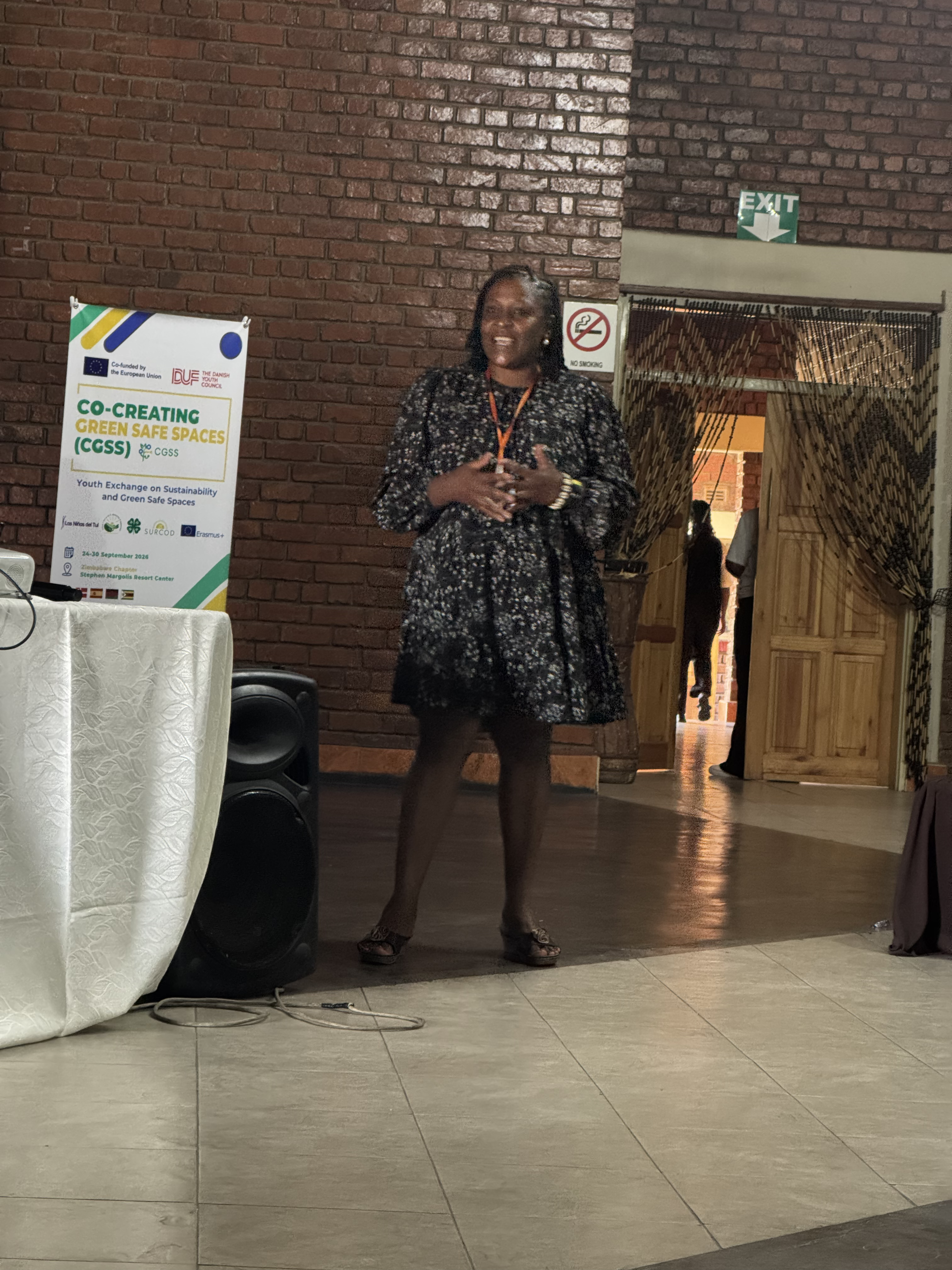
Fadzayi Caroline Mupembe
RETZ Vice Board Chairperson Fadzayi Caroline Mupembe delivering welcome remarks.
Reflection session
Participants during a morning reflection session.
Health break
Participants during a health break, building cross-cultural friendships.

Day 2: From Parliament to the Organic Farm - Connecting Policy with Practice

Day 2 took learning beyond the exchange venue. Participants visited the Parliament of Zimbabwe, touring the National Assembly and Senate, learning how laws are made, and asking questions about youth participation. Through a mock parliamentary debate, they stepped into the role of lawmakers to discuss whether cities should build and protect green safe spaces for youth facing climate change.

In the afternoon, the group visited Gilbert the Digital Farmer (GMRI Organic Farm). Participants explored sustainable farming practices and saw how technology and agriculture intersect. Small sensors monitor soil moisture, directing water only where needed, and tablets map out farm conditions. The visit provided a practical setting to consider how green safe spaces can support learning, livelihoods, and sustainable food systems.

All Participants at Parliament
All participants at the Parliament of Zimbabwe.
Daphine  at Parliament
Daphine in action at the Parliament chambers.
Participants at the GMRI Organic Farm
Participants at .
Malawian Team at Parliament
The Malawian delegation at the Zimbabwe Parliament.
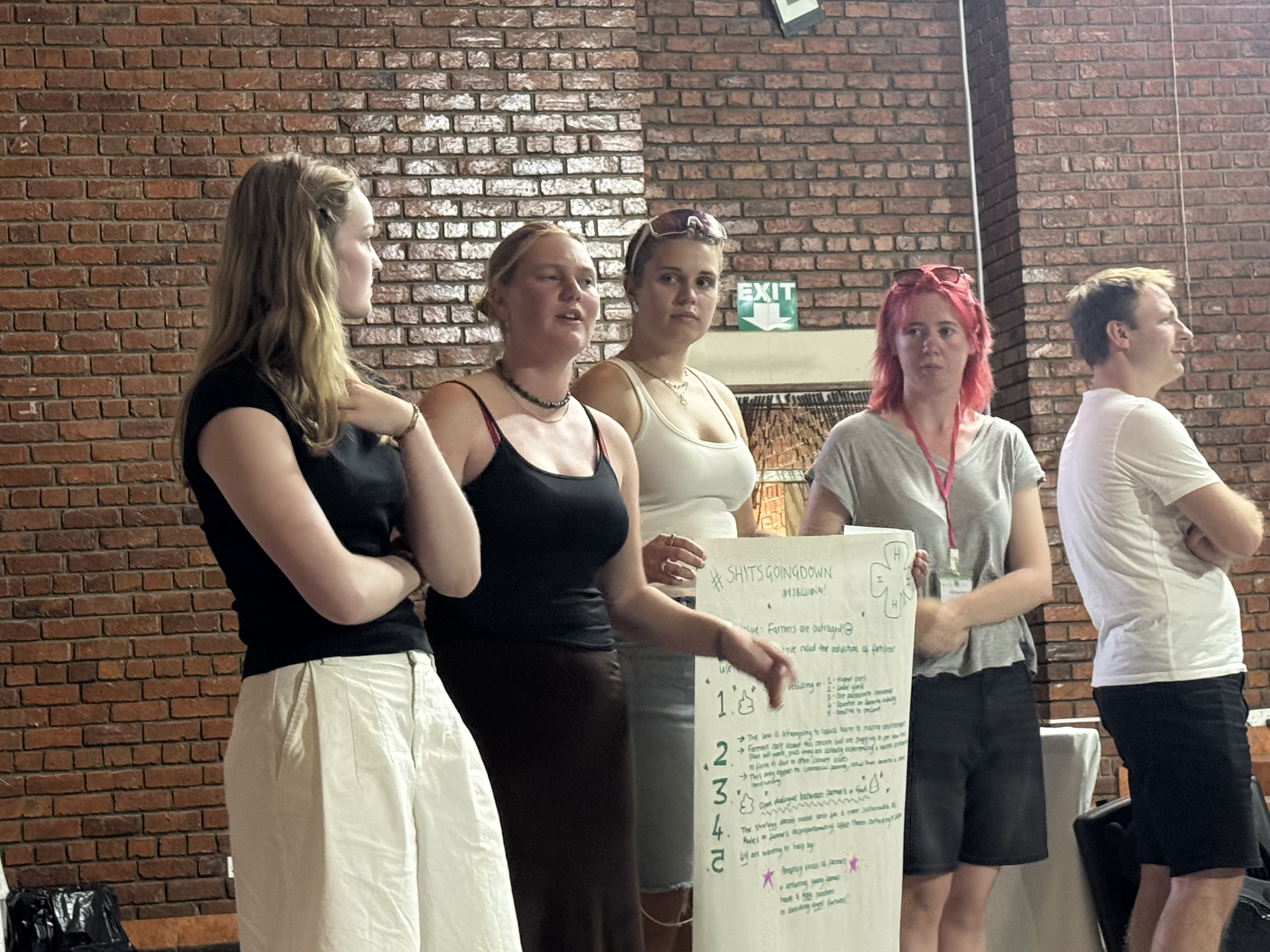
Spanish team at parliament
Spanish team (Las Ninas del Tul) at the Parliament.
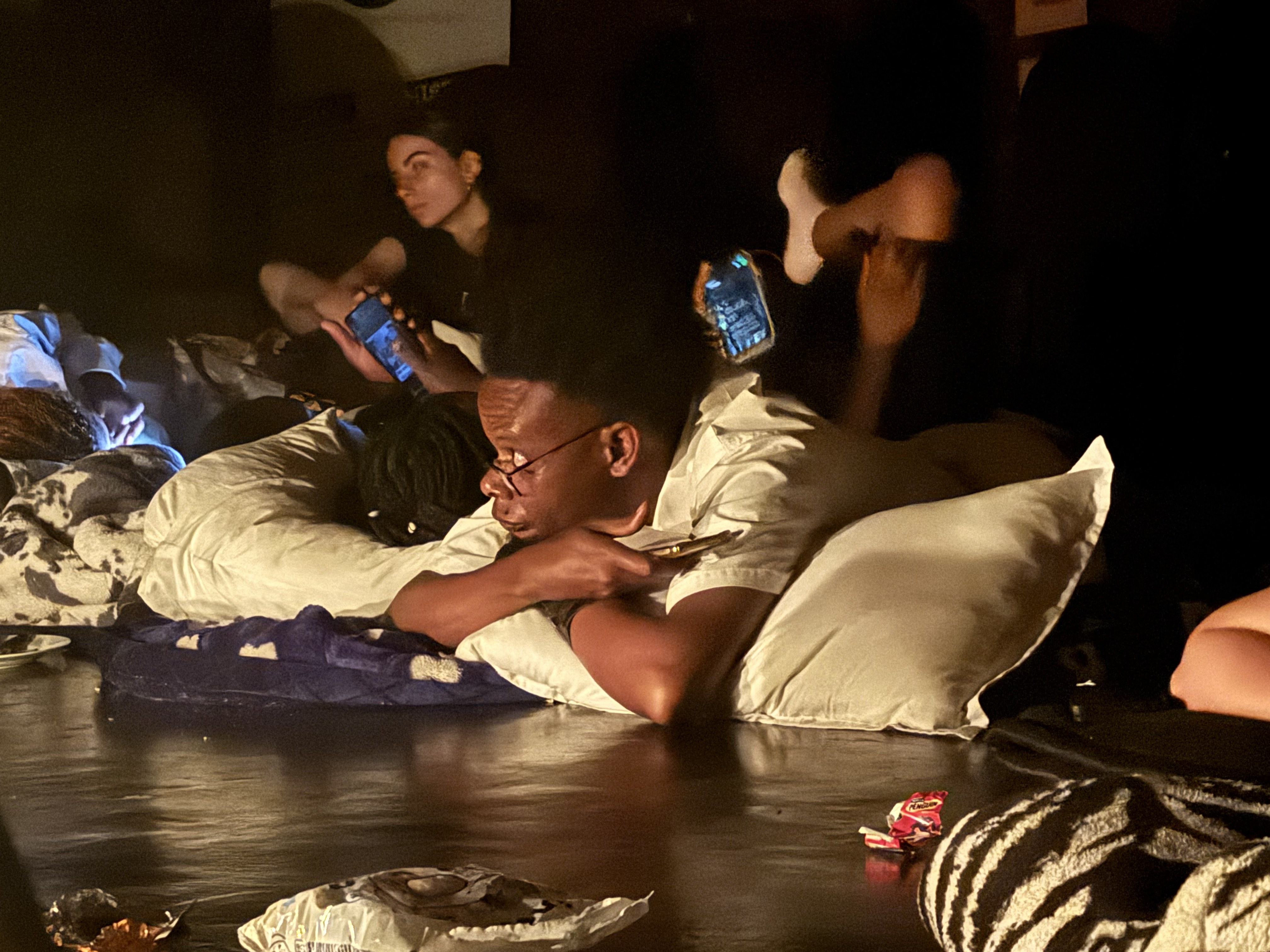
Specky at parliament
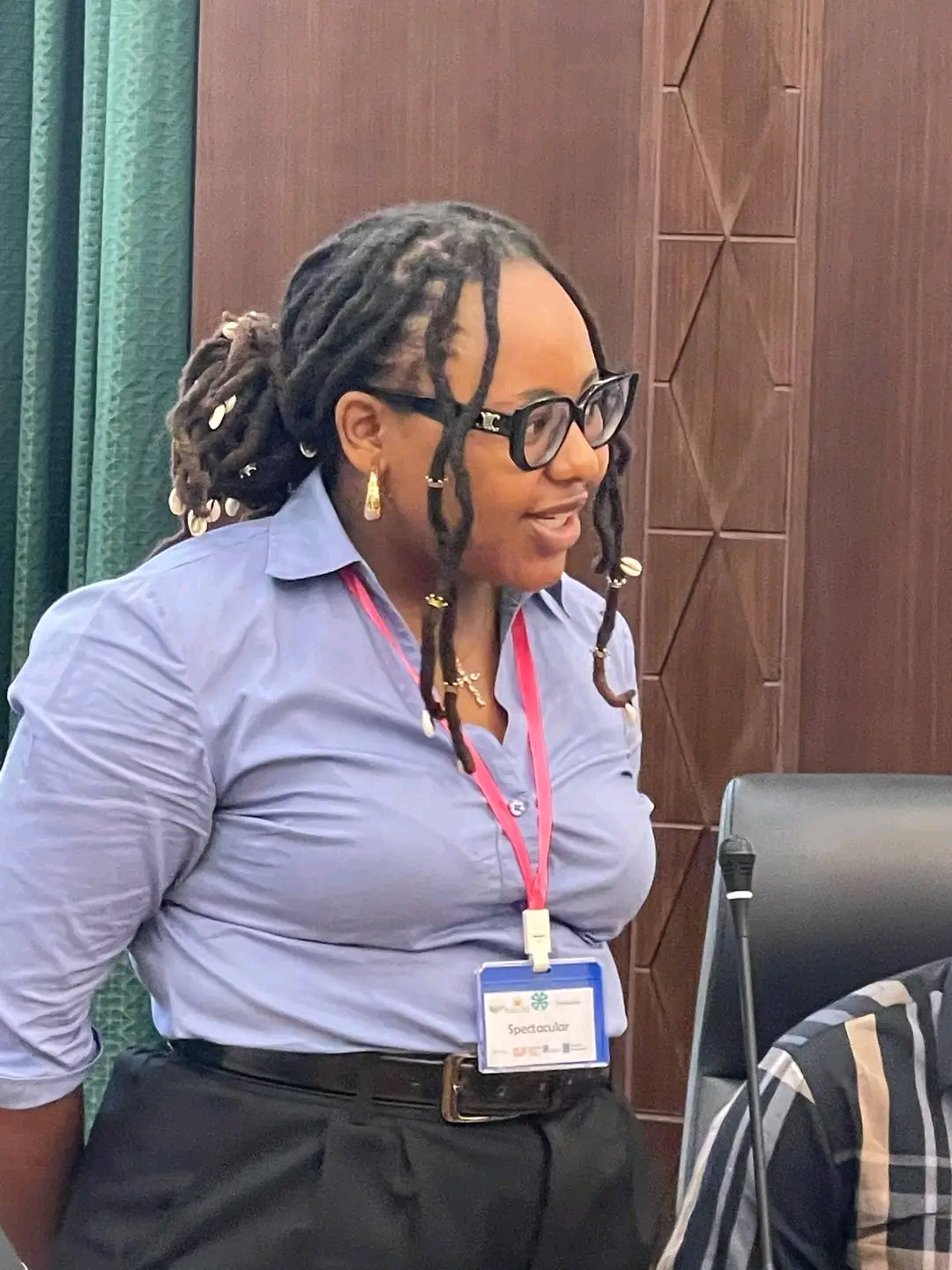
Specky engaging in action at the Parliament.
Gilbert explaining tech
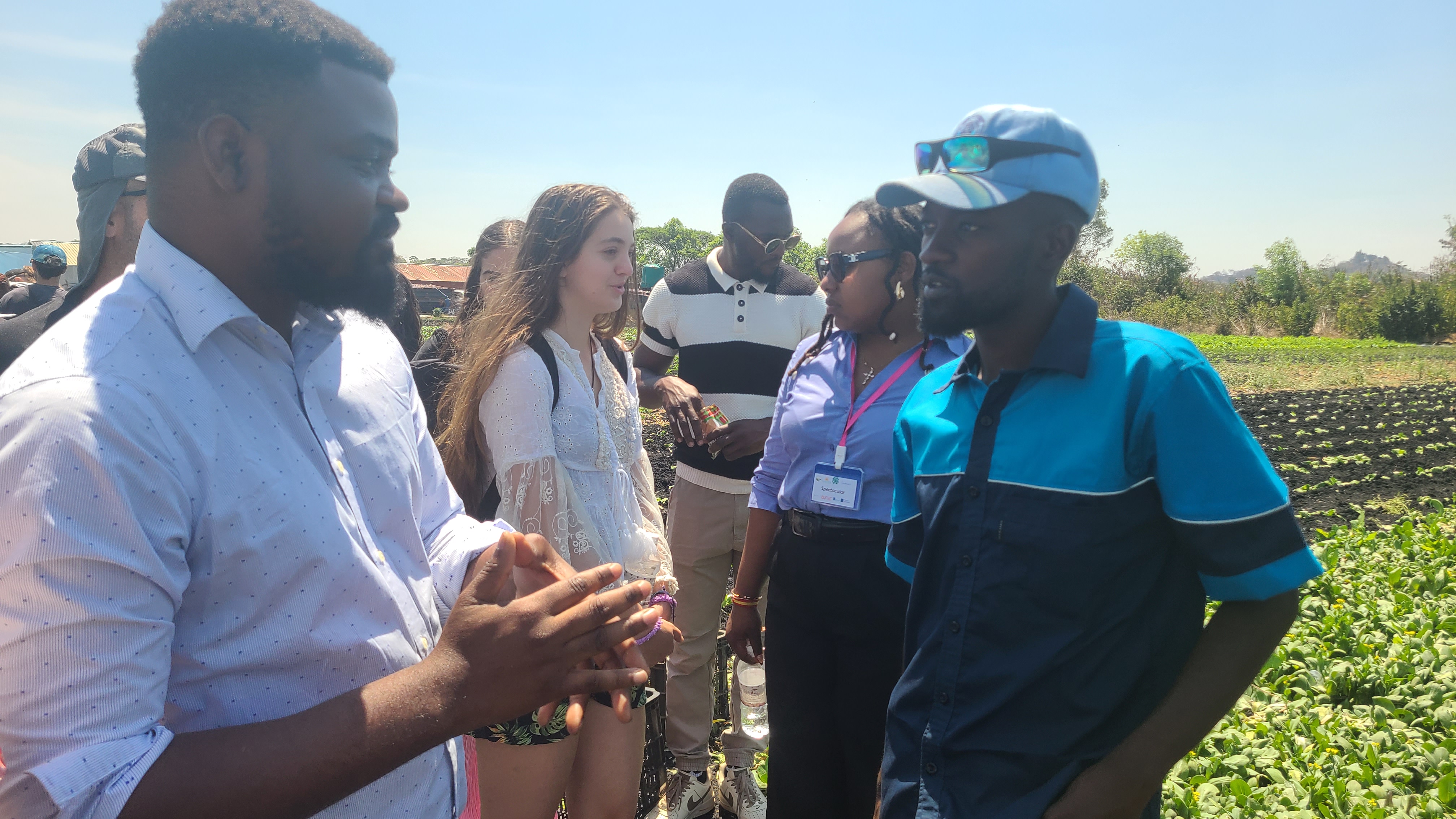
Gilbert explaining how he integrates agriculture and technology.
Digital Farm Greenhouse
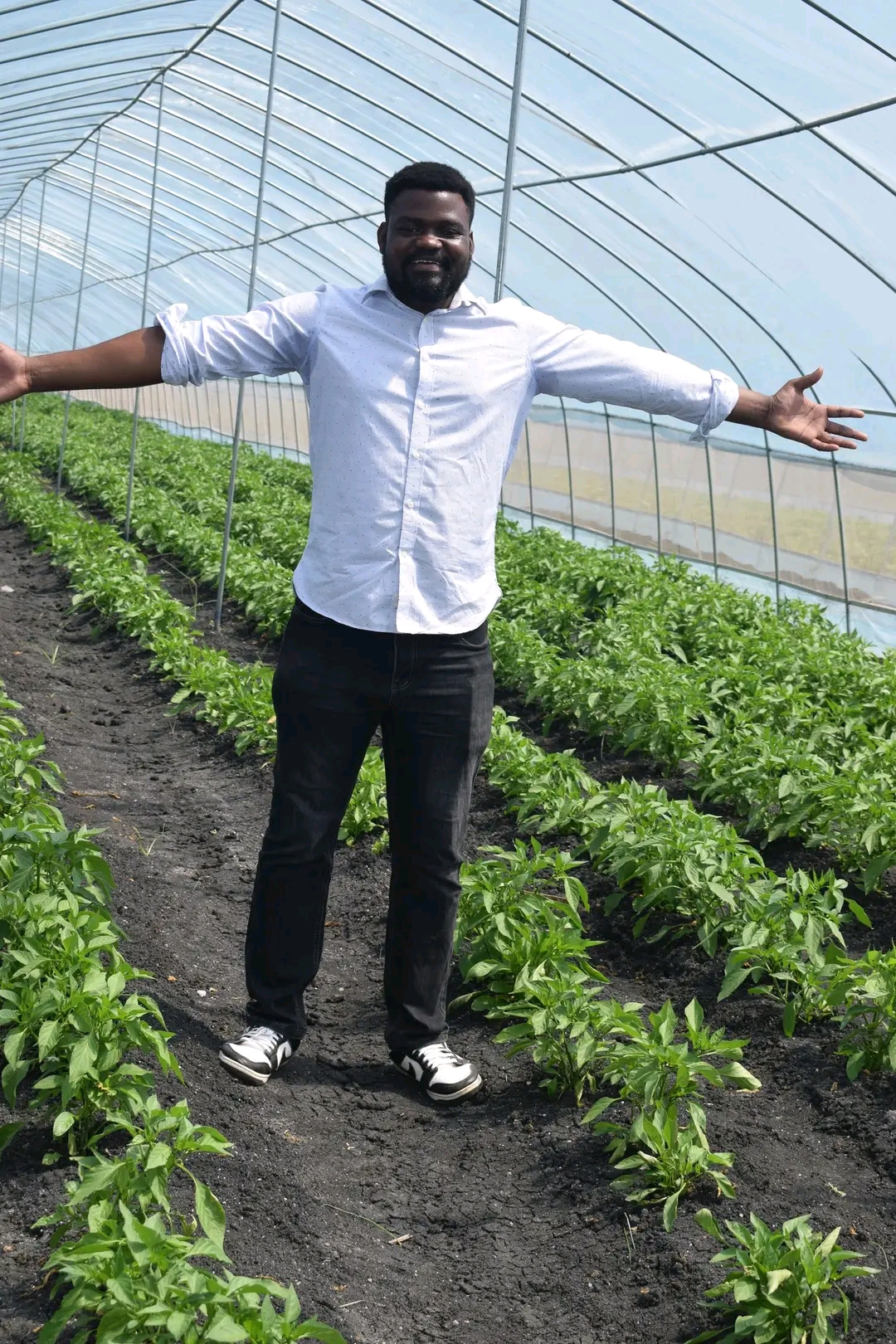
Gilbert the digital farmer showing the greenhouse.
Benjamin asking questions
Benjamin asking the digital farmer some questions.
Benjamin at farm
Benjamin at the GMRI Organic Farm.
Gilbert with participants
Gilbert the digital farmer posing with the participants.

Day 3: Learning from the Garden and Mushandirapamwe

Day 3 took learning to the RETZ community garden in Domboshava. Participants were introduced to Mushandirapamwe - a Zimbabwean practice of collective work and shared responsibility. Teams mapped water sources and resources, co-designing a preliminary garden master plan that included spaces for youth conversations and peer support.

The visit highlighted that a green safe space holds more than just food; it has a social and economic life, creating belonging and generating income. The team also explored the Domboshava Curves, appreciating the cultural and environmental heritage of Zimbabwe.

Edith at Domboshawa
Edith Fiera Mvula at the Domboshava RETZ garden, exploring sustainable farming practices.
Young girl explaining farming
A young girl from the RETZ farm explains farming practices to the participants.
Funny moments at the garden
Funny moments at the community garden.

Day 4: Meaningful Youth Participation and Advocacy

Panel Discussion
The Panel Discussion on Young People and Community Decision-Making.
Panel Discussion Audience
Participants engaging during the panel discussion on Green safe spaces.

Facilitated by Tafadzwa from Yet Trust, Day 4 challenged participants to rethink participation. The session "From Tokenism to Meaningful Youth Participation" forced everyone to ask: Are we just in the room for the photos, or are we shaping decisions?

Comparing experiences from Zimbabwe, Malawi, Denmark, and Spain revealed that while contexts differ, tokenism exists everywhere. A powerful Panel Discussion on Young People and Community Decision-Making, moderated by Yet Trust, explored barriers to participation. The day concluded with a Youth Advocacy Lab, where participants developed climate advocacy mini-plans.

Watch the Panel Discussion

QR Code for Video
Watch on YouTube

Day 5: Non-Formal Education and Intercultural Night I

Day 5 focused on the methodology of Non-Formal Education (NFE). Participants experienced a participatory activity and then analysed what they learned, how they learned, and why the approach worked. Core principles of NFE were drawn from participant experience, emphasizing experiential learning and youth leadership.

The evening featured the first Intercultural Evening, where the Zimbabwe and Malawi delegations shared their food, language, music, and cultural heritage. Ellen from Malawi wowed the audience by dressing as a Malipenga dancer, while Chisomo represented the team leaders. It was a beautiful celebration of diversity and shared humanity.

Malawi Intercultural Night
Malawian delegation during their intercultural evening presentation.
Ellen as Malipenga dancer
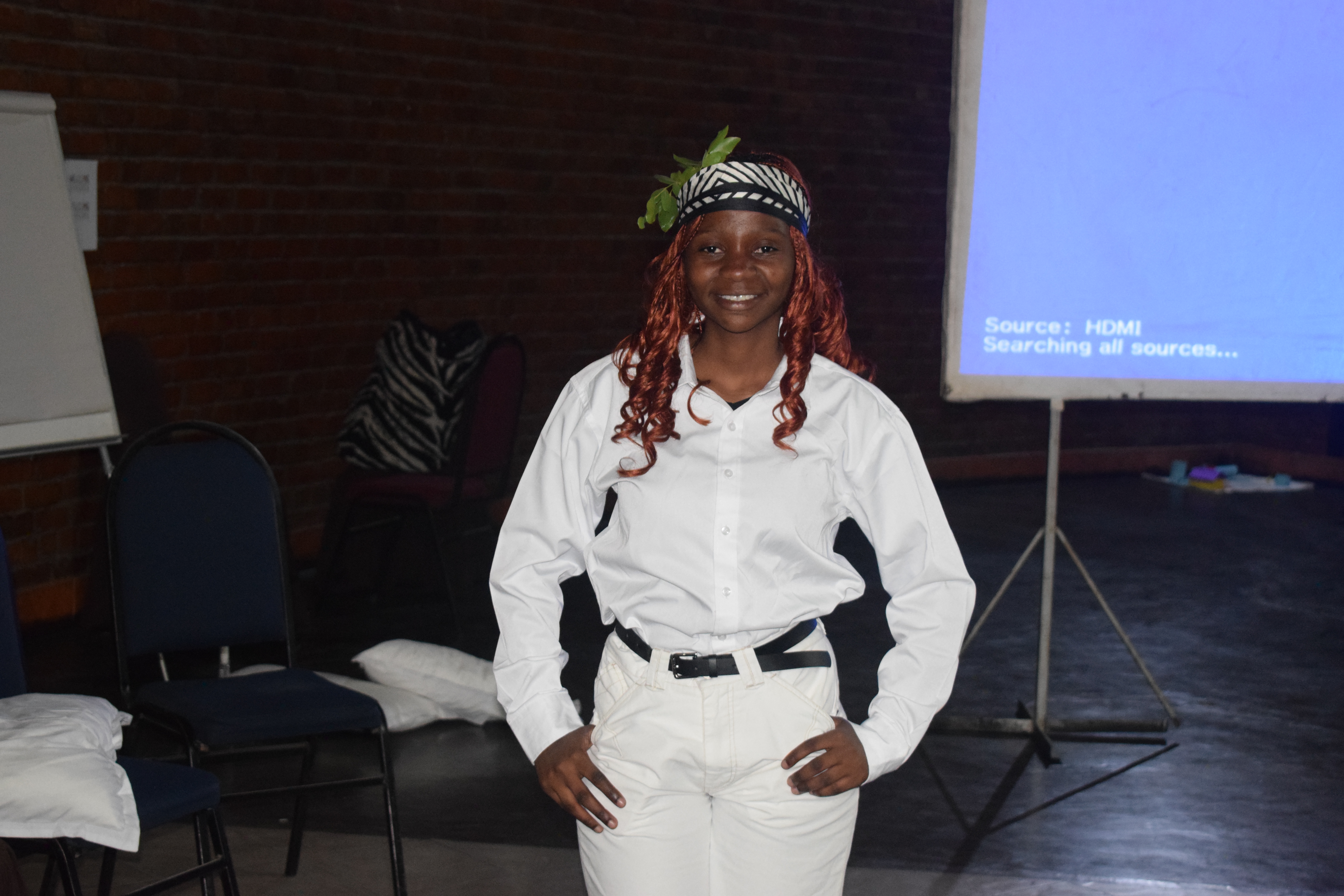
Ellen from Malawi dressed as a Malipenga dancer during the intercultural evening.

Day 6: Social Inclusion, Climate Context and DUF Tools

Natalie facilitating
Natalie facilitating a session on climate action and the DUF Green Guide.
Mia from DUF
Mia from DUF facilitating the session on practical climate tools.

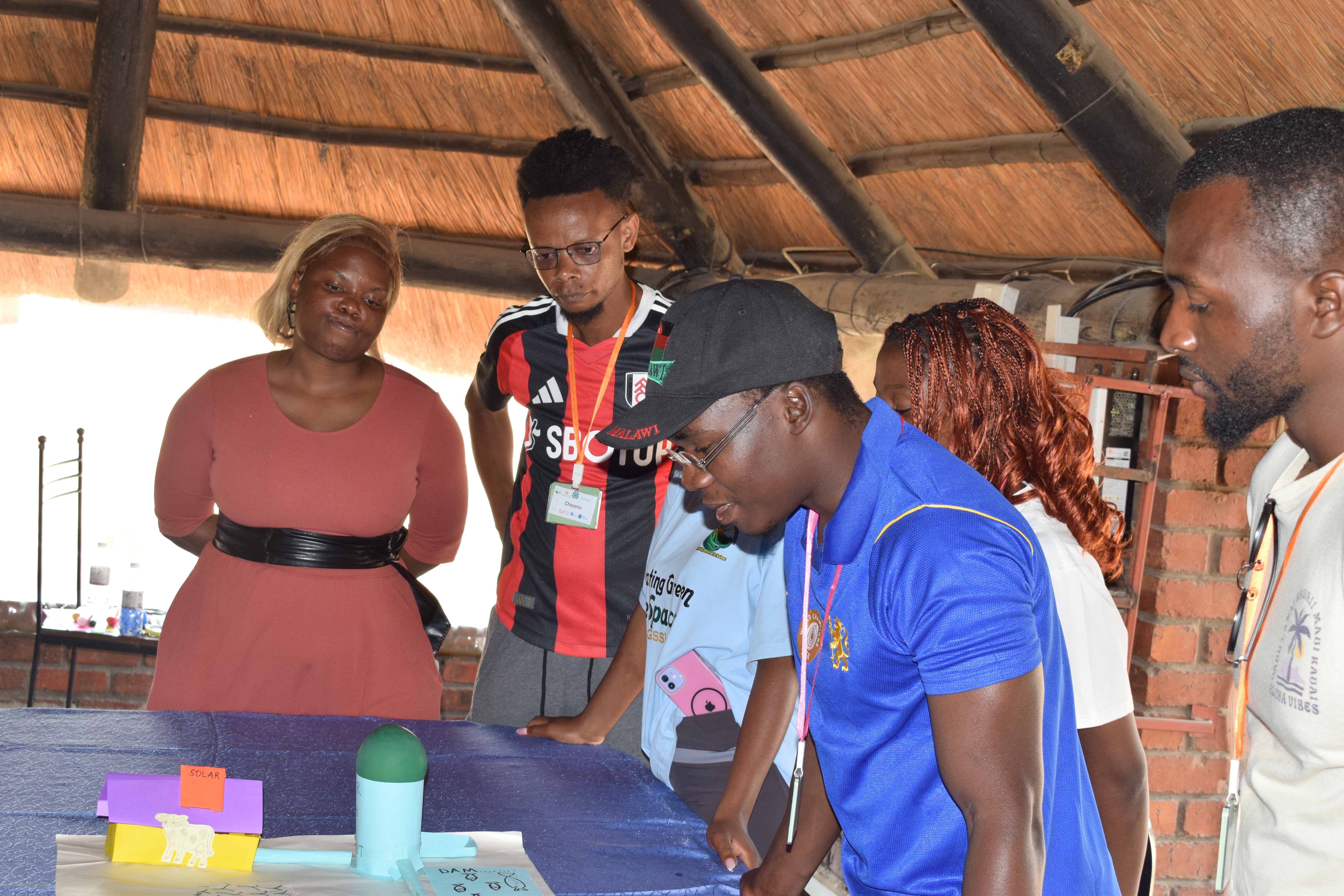
Day 6 centered on Social Inclusion, Sustainability, and Our Climate Context. Through a Case Study Carousel, participants identified barriers facing young women, rural youth, and people with disabilities, mapping out practical inclusion measures. The Malawi team presented the Chikwa Eco Village Garden, sharing their local practices and sustainability goals.

From Climate Concern to Climate Action

Mia from DUF - Dansk Ungdoms Faellesrad, introduced participants to the Danish Youth Council, and its work supporting children's and youth organisations, including through international grants and climate action guidance.

She then took us through four practical tools:

  • Capacity Assessment on Climate Action - to assess an organisation's strengths and choose priorities for improvement.
  • Greening Checklist - to plan changes in areas such as transport, energy, resources and procurement.
  • Youth Climate Advocacy - to identify an issue, understand the context and audience, and develop a message and tactic.
  • Climate Context Analysis - to examine local climate changes and their effects on children and young people, then identify possible responses.

One question arose: Can both large and small organisations use these tools? Mia explained that they were designed as flexible guides that organisations can adapt to their own size and context. The session gave us a practical way to move from identifying climate challenges to planning action that young people can help lead.

Malawian team presenting Chikwa
Malawian team presenting the Chikwa eco village garden model.
DUF Tools session
Session on DUF tools joined through an online session facilitated by Kuda.
Participants sharing ideas
Participants in groups sharing ideas on climate context.

Day 7: Identity, Culture, Food, and Closing the Journey

The final day celebrated identity, culture, and food. Through the Identity Wheel and storytelling, participants shared how their backgrounds influence their relationship with nature. An Intercultural Food Exhibition allowed delegations to present foods while explaining their cultural significance and climate vulnerabilities.

Teams formulated post-exchange actions using the DUF climate-capacity tool. The exchange closed with a Dariro (closing reflection and farewell circle), where participants shared one learning, one appreciation, and one commitment.

Spanish food
Spanish food on display during the intercultural evening.
Danish storytelling
Storytelling time during the Danish intercultural evening.
Danish team presentation
Danish team during their presentation.
Chisomo Danish evening
Chisomo, Malawi team leader, at the Danish intercultural evening.
Tatenda Madziro
Tatenda Madziro, RETZ Youth Coordinator, who guided the participants throughout.

Key Learning Outcomes and Themes

Themes Learned

  • Climate Adaptation and Resilience: Moving beyond theoretical climate knowledge to practical adaptation (TAME framework, water conservation, seed saving).
  • Meaningful Youth Participation vs. Tokenism: Understanding the ladder of participation and demanding genuine youth influence in budgeting and decision-making.
  • Agroecology and Digital Farming: How technology can give farmers "better eyes" and a stronger voice while caring for the land.
  • Social Inclusion and Gender Equality: Identifying who gets left behind and designing spaces that are accessible to rural youth, women, and people with disabilities.
  • Non-Formal Education (NFE): Experiential learning methodologies that empower youth as co-creators of their own education.

Key Skills Acquired

  • Advocacy and Policy Influence: Crafting advocacy mini-plans, mapping powerholders, and simulating stakeholder dialogues.
  • Sustainable Companion Planting: Practical gardening skills that utilize natural resources efficiently and create healthier ecosystems.
  • Intercultural Communication: Listening to different ideas, adapting to new environments, and communicating across diverse backgrounds.
  • Leadership and Facilitation: Gaining confidence to facilitate group activities and mock parliamentary debates.
  • Risk Management: Using the TAME framework (Transfer, Accept, Mitigate, Eliminate) for community climate risks.

Impact on the Malawi Team

The exchange had a profound personal and professional impact on the seven SURCOD participants. It broadened their horizons and transformed their understanding of how young people from different continents share similar struggles and aspirations.

Chisomo
Chisomo Bob Mvula
Malawi Delegation
"Standing where important national decisions are made brought to mind the challenges young people face. Being young should never mean being silent or being left out of decisions that affect our future. I will return to Malawi with a stronger belief that my voice matters."
Clifton
Clifton Robert Nyangulu
Malawi Delegation
"Taking part in the 'Co-Creating Green Safe Spaces' exchange was an amazing experience. Seeing young people and community members coming together, working as a team, and turning ideas about sustainability into something practical was inspiring."
Ellen
Ellen Chimwemwe Mavuka
Malawi Delegation
"I learned practical ways of creating sustainable gardens, including companion planting. Beyond knowledge, I gained new perspectives by interacting with young people from different countries. The exchange strengthened my confidence through facilitating an activity."
Daphne
Daphne Esther Gondwe
Malawi Delegation
"I left with a different understanding of digital farming. The technology had not replaced the farmer. It had given the farmer better eyes and a stronger voice for the land."
Edith
Edith Fiera Mvula
Malawi Delegation
"I came out of Day 3 thinking about how much a garden can hold beyond the food it produces. Teamwork gives results, and the wider community has a place in creating green safe spaces."
Benjamin
Benjamin Foster Alubano
Malawi Delegation
"Curiosity leads to innovation. Seeing the digital farm in action and asking questions showed me that agriculture in Malawi can also benefit from simple, affordable technology."

Voices from Partner Countries

Lyn
Lyn
Zimbabwe
"This exchange has taught me that creating climate resilient communities requires meaningful youth participation."
Specky
Specky
Zimbabwe
"We are doing more than working alongside each other: we are listening, sharing ideas and shaping something together."
Brighton
Brighton Muzadzi
Zimbabwe
"Being invited is not the same as having influence. Meaningful participation means involving young people from defining the problem through to budgeting."
Gael
Gael
Spain
"Although our realities are very different, we also share many of the same challenges and concerns."
Lisa
Lisa
Zambia
"Sitting in the chambers where representatives debate issues made me think about the importance of having a voice in decisions."
Jerry
Jerry
Zimbabwe
"I am grateful to be part of this exchange. It is broadening my horizons. Every conversation gives me something new to think about."
Succeed
Succeed
Zimbabwe
"The CGSS Youth Exchange grew my communication, teamwork, leadership, and confidence."
Lola
Lola
Spain
"We have learned about inclusion and realised how difficult it is to have everyone in mind. This exchange has given me the chance to become more open-minded."
Carrie
Carrie-Ann
UK
"Sitting in the rooms where laws are debated was a highlight for me. So much has been new, but there have also been familiar faces, foods and connections along the way."
Allan
Allan Chimbelenga
Malawi Delegation
"The exchange showed me the power of international solidarity. Experiencing Zimbabwe's culture and governance first-hand has expanded my worldview."

Challenges Encountered

Overall, no major challenges were encountered by the Malawian team during the youth exchange. The logistics, venue, and program flow were exceptionally well-organized by the host organization, RETZ.

Minor, expected adjustments included adapting to the initial formal security protocols at the Zimbabwe Parliament, which participants soon found welcoming, and navigating Harare's slow traffic, which did not dampen the group's energy and fun. The seamless integration of the Malawi delegation is a testament to the thorough preparation by SURCOD and the warm hospitality of the Zimbabwean hosts.

Health Break
Participants enjoying a health break, reflecting the exchange's positive atmosphere.

Conclusion

The "Sustainability and Green Safe Spaces" Youth Exchange was a highly enriching and transformative experience for the Malawi delegation. The programme successfully created an environment where young people could learn from one another, exchange ideas, and develop skills that promote inclusion, participation, sustainability, and social cohesion.

Through immersive experiences ranging from parliamentary debates to hands-on agroecology and digital farming, the exchange delivered on the CGSS project's vision of empowering youth as agents of change in their communities. The Malawian participants return home not only with enhanced practical skills in climate adaptation and advocacy but also with a profound shift in mindset: a rejection of tokenism and a demand for meaningful, co-created solutions.

The partnership between SURCOD, RETZ, Soholm 4H, and Las Ninas del Tul has proven that when young people across borders are given safe spaces to connect, their diverse realities become a shared vision for a greener, more inclusive future. The learning harvested in Zimbabwe will now take root in Malawi, nurturing the Chikwa Eco Village Garden and inspiring a new standard for youth leadership.

Partner Organizations

The Co-Creating Green Safe Spaces (CGSS) project is implemented by four partner organizations across Europe and Sub-Saharan Africa.

RETZ Logo

Rural Enterprise Trust of Zimbabwe (RETZ)

Host organization

Soholm Logo

Soholm 4H intl (Denmark)

SURCOD Logo

SURCOD (Malawi)

Las Ninas Logo

Asociacion Las Ninas del Tul (Spain)